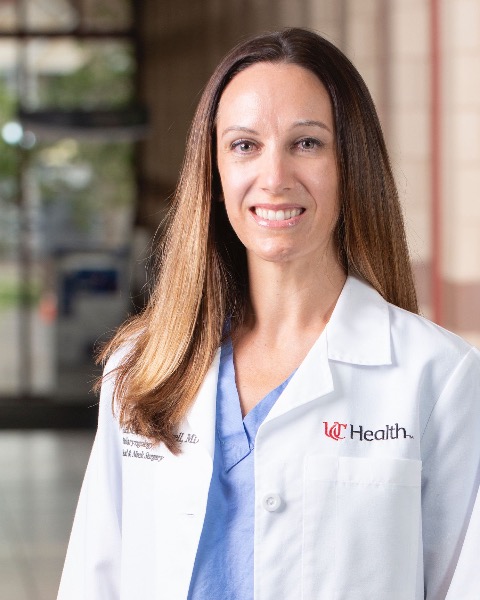
Professor University of California San Diego La Jolla, CA, United States
Disclosure(s):
Rebecca J. Howell, MD: No relevant relationships to disclose.
PROGRAM DESCRIPTION: Treatment approaches for Zenker's diverticulum have multiplied over the past twenty years, as interventional gastroenterologists have applied their flexible endoscopic techniques to this pathology. Sufficient data has now been amassed to support the safety and efficacy of the flexible endoscopic approach. Though most otolaryngologists already possess the skills required to apply the flexible endoscopic technique, few have embraced this technology. This session presents the flexible, rigid, and combined approaches to Zenker's diverticulum, as well as the specific tools required, to ensure that otolaryngologists can offer all options to their patients. Patient selection, advantages and drawbacks to each approach will be discussed. The goal of this session is to provide clinical information on preoperative, intraoperative, and perioperative (complications) for each technique and to introduce the flexible endoscopic approach to Zenker's diverticulum in an otolaryngology practice, ensuring that our patients receive the best care in each clinical scenario.
OUTCOME OBJECTIVE 1: Plan and perform flexible, rigid, or combined endoscopic approaches to Zenker's diverticulum
OUTCOME OBJECTIVE 2: Recognize patient characteristics that favor one endoscopic approach over others.
OUTCOME OBJECTIVE 3: Describe adverse events associated with each endoscopic and open approach.
BACKGROUND STATEMENT: This recurring panel includes the national data from University of Cincinnati POUCH collaborative, a prospective enrolled REDCap database on cricopharyngeal muscle dysfunction with and without diverticula (aka The Big Zenk) project with up-to-date metrics.