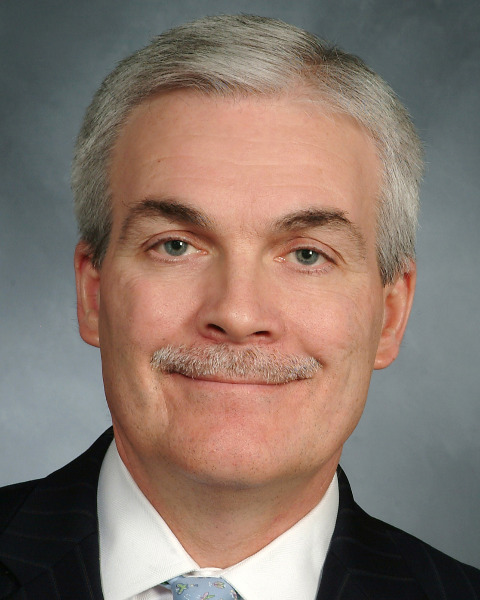
Professor and Chairman, Dept of Otolaryngology - Head & Neck Surgery Weill Cornell Medicine/NewYork-Presbyterian Hospital New York, NY, United States
PROGRAM DESCRIPTION: The assessment of outcomes after treatment has evolved over the past few decades, with new tools and techniques available for outcomes measurement. Also, there is an appropriately increased focus on the assessment of quality of life and outcomes from the perspective of the patient, after medical care. This course will cover the principles of outcomes research and give examples of outcomes tools that can be used and describe results from several important patient-based outcomes studies in Otolaryngology.
In addition, interest in standardization of best practices has driven the creation of care guidelines. In order to incorporate the best evidence from the published literature into care decisions, the concept of "evidence-based medicine" has emerged, with a set of standard definitions and tools for identifying, evaluating, and using the best evidence in the practice of medicine. This course will review the basic principles of evidence-based medicine, and describe the five steps necessary to practice evidence-based medicine including detail on how to perform each step. In addition, we will review an evidence-based review of the literature and how that could be used in practice.
OUTCOME OBJECTIVE 1: Understand the principles of outcomes research and quality of life assessment
OUTCOME OBJECTIVE 2: Recognize examples of validated patient-based outcomes instruments available in Otolaryngology
OUTCOME OBJECTIVE 3: Describe the five steps of practicing evidence-based medicine
BACKGROUND STATEMENT: This Clinical Fundamentals course covers information on outcomes assessment and evidence-based medicine which are important for the practitioner to (1) practice the best and most current medicine and (2) assess and report their own practice outcomes.